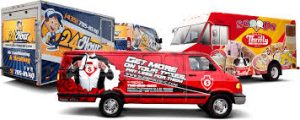
 Whether your business or organization is looking to re-brand, communicate policies and procedures, promote products or services, or establish an overall ambiance, vinyl graphics provide valuable marketing opportunities. We offer impactful solutions for windows, walls, doors and vehicles.
Cut vinyl decals are ideal for communicating important information to your staff and visitors. They can also be used to advertise seasonal events or new products and services.
Using custom window graphics, you can brand your business, communicate the value that your company brings to your customers and display time-sensitive messages, all while giving passersby a glimpse of what’s inside. Window graphics are also ideal for branding your vehicles, converting them into mobile marketing machines that take your advertising with you wherever you go.
Window graphics are available in a wide range of sizes and styles, including static cling. These are easy to apply, reposition and remove without damaging the window or wall. You can use them to add a tagline or mission statement, to promote special sales, or to provide directions as part of your wayfinding system. These are perfect for businesses that operate out of a storefront and want to capitalise on prime real estate. They can also be used to create a more appealing atmosphere for patrons, encouraging them to visit and spend money. This is why restaurants and beauty salons often choose to install window graphics.
Turn your fleet of trucks, vans or cars into a rolling billboard for your business. Wraps provide an effective branding and marketing method that’s especially popular for service vehicles, allowing clients to know whom they’re dealing with at the time of the visit. They’re also effective for bringing brand awareness when the vehicle is parked at an event or residence.
This non-aggressive form of advertising attracts attention and keeps your company name in front of potential customers for less than the cost of a billboard or television ad. Plus, it’s a more personal touch that leaves your customers with the sense that they’re dealing with local professionals invested in their satisfaction.
Mello Signs’ Vinyl wall decals are another versatile visual communication tool. They’re great for displaying creative illustration or motivational quotes that resonate with employees and customers alike. Static-cling graphics are also easy to apply and reposition and work well as social distancing reminders or wayfinding cues.
Floor graphics are an underutilized marketing tool. From social distancing reminders to directional cues, this vinyl graphic option is a versatile way to communicate with consumers as they navigate your commercial facility.
Floor decals are made of premium-quality opaque vinyl with a laminate that offers slip resistance. They are available in a wide range of sizes and can be printed with any color, design or text you want. They can be finished with gloss lamination for a bright sheen or matte lamination for a glare-free finish.
In retail spaces, they can be used to provide optimum routes through your aisles, which will improve consumer experience and increase sales. They are also useful for directing customers to new products and special offers within your stores. In larger venues, they can help motivate attendees to walk all the way through a store or event without getting tired or frustrated by their location in the facility. They can also define walking lanes during pandemic events and provide safety reminders.
Traditionally, wall murals were hand-painted by talented artists, and the process was time consuming and expensive. Today, digital images printed on commercial wallpaper or wall vinyl are a quick and affordable way to create the personalized look you want in your business.
Adding one-of-a-kind corporate signage can help you stand out in your market. It’s no secret that consumers are more likely to visit businesses with a memorable ambiance and impressive decor, which is why it’s important to invest in signage options that reflect your brand image and generate quantifiable results.
Whether you want to flip your hallway into a visual timeline of your company’s history, or add color and excitement to an empty room with a custom wall mural, we have you covered. Our experts will help you craft a one-of-a-kind design that represents your business and generates brand awareness. We offer a variety of material, size, and finish options to meet your requirements.
 vertising with a Cincinnati vehicle wrap
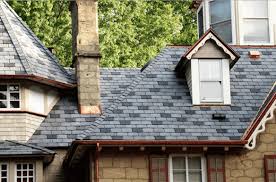 the look of slate at a fraction of the cost, while their class 4 hail resistance rating can save you money on your home insurance premiums.
 Vinyl is a versatile material that can be used to create a variety of types of signs and banners. It can be cut in a wide range of shapes and sizes, and is often backed with an adhesive that allows it to stick to smooth surfaces like walls, windows, doors, vehicles, sign substrates, and more.